
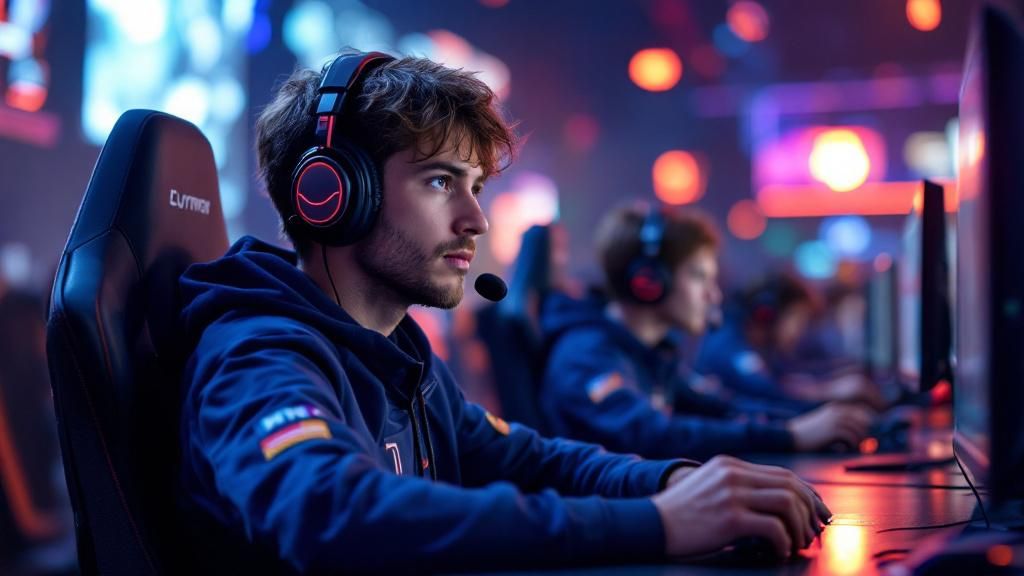
The esports industry has made considerable progress in championing competitor wellbeing. Prominent event operators have jointly unveiled a extensive competitor welfare framework, tackling established worries about mental wellbeing, labour conditions, and just treatment within professional gaming. This groundbreaking development constitutes a critical juncture for esports legitimacy, establishing baseline protections that could fundamentally alter how the industry operates. We examine the framework’s central components, the entities leading this transformation, and what it means for athletes and professional gaming going forward.
Sector-Wide Dedication to Player Health
The coordinated partnership between prominent esports bodies marks a watershed moment for athlete safeguarding within esports competition. This integrated system demonstrates the market’s authentic resolve to creating lasting protocols that emphasise player health alongside sporting achievement. By pooling resources and expertise, these organisations have created comprehensive guidelines addressing physical health, emotional health, and workplace protection. The scheme shows growing recognition that athlete wellbeing significantly affects output standards and sustained careers, making it crucial for the sport’s credibility and growth.
Tournament operators have recognised that earlier guidelines were fragmented and inconsistent, leaving players vulnerable to exploitation and burnout. The updated system standardises expectations throughout leading tournaments, ensuring every professional competitor receives equitable treatment and connection to crucial welfare resources. This coordinated approach removes unfair disparities stemming from inconsistent protections and sets fair competition standards. Industry figures highlight that these standards represent minimum requirements, encouraging organisations to exceed baseline expectations and build authentically nurturing spaces where players can thrive both professionally and personally.
Core Features of the Social Support Framework
The newly formed welfare framework consists of several interconnected pillars created to safeguard player welfare thoroughly. These components address psychological wellbeing support, physical fitness, fair working conditions, and clear dispute handling mechanisms. By bringing these provisions together, tournament administrators seek to establish an integrated system that acknowledges esports athletes as professional athletes warranting strong safeguards. The framework sets essential standards that all participating tournaments need to establish, ensuring consistent player safeguards across the professional gaming environment.
Mental Wellbeing Assistance Programmes
Understanding the emotional demands characteristic of professional esports, the framework mandates access to qualified psychologists for all players competing. Tournament operators should offer confidential therapy services, via direct provision or partnerships with accredited mental health professionals. This provision covers stress management, performance anxiety support, and crisis support resources. Players gain access to experienced psychologists who comprehend esports-specific issues, encompassing online harassment, high-level competitive stress, and career uncertainty.
The framework further stipulates tournaments to introduce psychological awareness schemes and anti-stigma campaigns within the community. Organisers must inform players, coaches, and staff about spotting mental health concerns and utilising appropriate support. Ongoing assessments and wellbeing tracking mechanisms help identify struggling players at an early stage, allowing preventative measures before situations escalate into critical psychological situations.
Physical Wellbeing Requirements
Tournament operators must create thorough health and safety standards tackling ergonomics, recovery intervals, and clinical supervision. The framework stipulates correct seating arrangements, monitor positioning, and downtime to minimise RSI frequently seen in esports professionals. Medical staff must be present at significant events to handle pressing health problems, whilst organisers are required to give advice about harm prevention and suitable medical facilities for ongoing player improvement.
Environmental circumstances at tournament facilities are now governed by strict requirements guaranteeing player wellbeing and safety. Regulations encompass temperature control, lighting standards, and noise levels to establish optimal competitive conditions. Additionally, the framework promotes players to have regular health assessments and delivers guidance on diet, sleep hygiene, and exercise routines crucial for sustained professional performance in esports.
- Ergonomic equipment assessments performed by certified experts
- Required breaks between matches reducing player exhaustion
- Medical personnel on location present throughout tournament proceedings
- Injury prevention training and recovery programme availability
- Wellness tracking systems tracking player wellbeing across the year
Implementation Timeline and Standards
The framework will be rolled out in three distinct phases, beginning immediately with preliminary assessments across participating organisations. Tournament operators have committed to completing first audits of their current practices by the end of the first quarter, pinpointing differences between existing protocols and the updated requirements. This foundational phase ensures a detailed evaluation of each organisation’s baseline position before making material alterations. Subsequent phases will involve staff training, procedural revisions, and the creation of external compliance frameworks to ensure adherence and accountability throughout the esports industry.
The standards themselves include mandatory provisions relating to mental health support, reasonable practice schedules, and clear prize allocation procedures. Each organisation should establish a specialist player welfare representative accountable for managing grievances and ensuring adherence to guidelines. Routine inspections, conducted by third-party bodies, will confirm adherence and identify areas requiring improvement. These thorough safeguards establish measurable benchmarks for competitor welfare, with compliance procedures including pecuniary fines and prospective event bans for organisations failing to meet required standards.
Sector Response and Future Perspective
The declaration has garnered strong backing from participants throughout the esports ecosystem. Player unions have praised the structure as a necessary step towards professionalising the sector, whilst team owners and commercial partners recognise the prospects of enhanced credibility and sustainability. Gaming equipment manufacturers and broadcast services have pledged to incorporate player welfare into their operations, reflecting a shared dedication to systemic change. Preliminary evidence suggest that governing authorities and government officials perceive the standards favourably, conceivably facilitating legislative recognition of competitive gaming as a recognised professional industry.
Looking ahead, industry observers anticipate that this framework will function as a blueprint for worldwide implementation, with regional competitions and grassroots events expected to adopt similar guidelines. The initiative is likely to inspire ongoing discussion regarding athlete remuneration, career development pathways, and psychological support services. As esports continues its meteoric growth, these player protections constitute a crucial safeguard guaranteeing that competitive gaming stays viable, inclusive, and respectful for all participants, in turn reinforcing the industry’s position as a legitimate competitive sector.
